
Resources for KCUR and Classical KC Sponsors
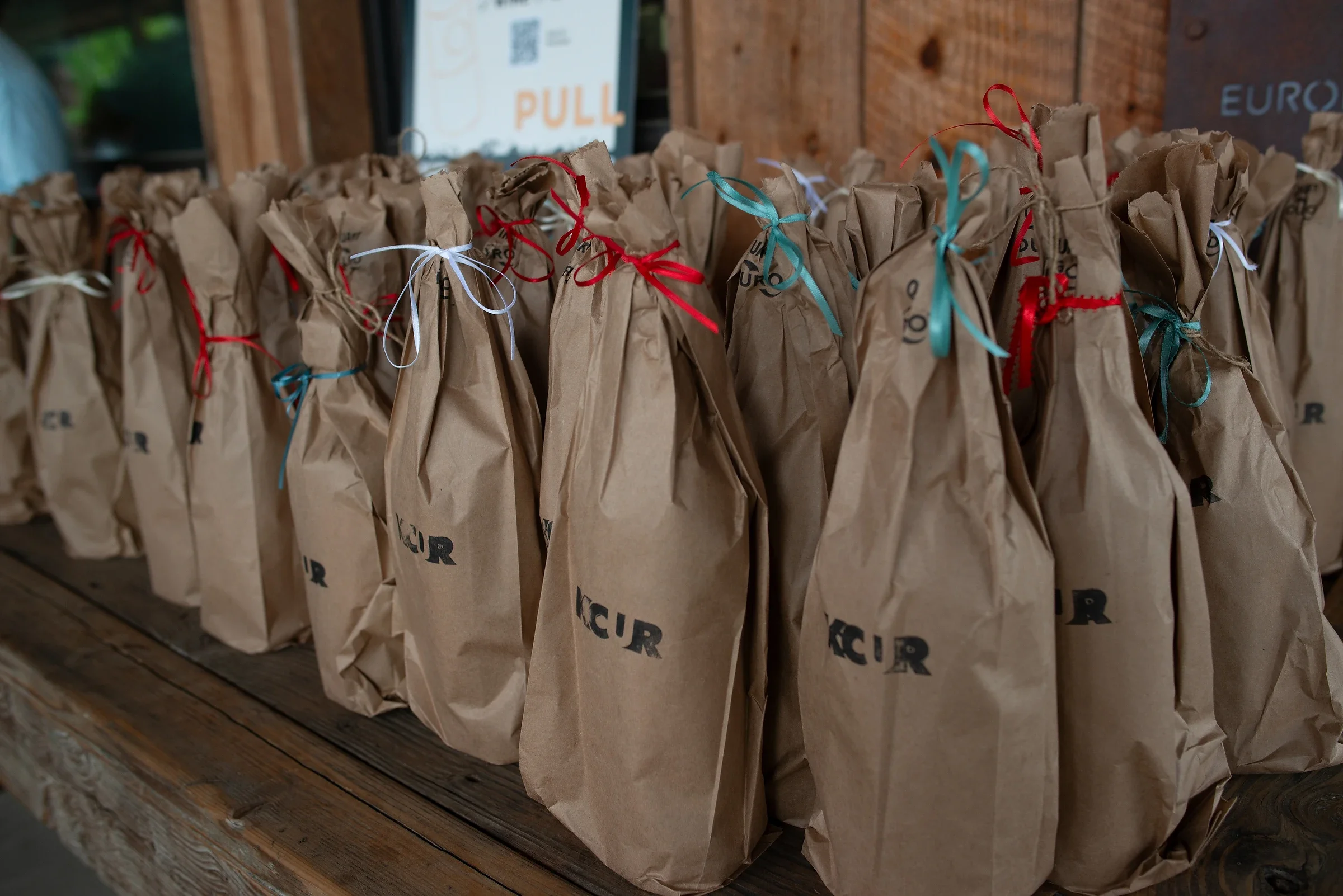
Photo Credit: Evert Nelson
Tools for Sponsorship Success
Whether it’s your first campaign or you’re a seasoned sponsor eager to expand your expertise, we’re here to support you. Learn more about our capabilities in our media kit, or prepare your campaign’s creative assets with our ad and messaging specs.
FAQ
-
Sponsorship of KCUR or Classical KC is a marketing tool that shows your community goodwill as a funder of our nonprofit services, and builds positive associations with your brand and message. Like with other media, your message takes different forms depending on the platform, such as audio, digital display, dedicated emails and event integration. Your message is clearly designated as sponsorship, a distinction that reminds audiences that your organization helps support KCUR or Classical KC.
Via on-air radio, the 15-second message tone is simple and straightforward, which is part of why public radio sponsorship feels different from traditional advertising.
Your contribution may qualify as a tax-deductible gift because KCUR and Classical KC are nonprofit 501(c)(3) organizations.
-
KCUR and Classical KC are nonprofit, noncommercial organizations, so broadcast sponsor messages follow FCC guidelines and are designed to sound different from traditional ads.
Instead of jingles and hard-sell promotions, a sponsorship message feels more like a recommendation from a trusted friend than a sales pitch. Often voiced by the hosts listeners know and trust, your message can include your business, organization, or event name, what you do, and how to find you, while connecting your brand with KCUR and Classical KC — a valued community resource.
That’s why public radio listeners often appreciate and support the sponsors they hear, and why the trust they place in public media can extend to the organizations that support it.
Public radio also airs far fewer sponsor messages than commercial radio. While commercial stations can air up to 18 minutes of commercial messages an hour, public radio typically airs just two to three minutes of sponsor messages, making listeners more likely to stay tuned and hear them.
-
No. Writing your message is part of the service. We’ll craft a message that fits public radio guidelines, resonates with audiences, and sounds like your brand. You’ll review and approve it before it ever airs.
-
If you’re advertising in the Kansas City region, KCUR and Classical KC sponsorship is a powerful addition to your media mix. The bottom line is that KCUR and Classical KC sponsorship delivers proven marketing results. According to the 2026 NPR State of Sponsorship survey, fielded by Kantar, 84% of listeners take action in response to hearing an NPR sponsorship message, and 79% of listeners have a more positive opinion of public radio sponsors.
Sponsorship has key distinctions from advertising that differentiate businesses and organizations as benefactors to local communities. KCUR and Classical KC staff live here. Our mission serves the needs of the Kansas City region with local journalism and events that help Kansas Citians connect with each other and organizations here. We are great platforms for local businesses as well as national brands that want to strengthen their KC ties.
-
Sponsorship works through repetition, so messages are scheduled to reach enough people enough times to stick with them. Branding campaigns typically run over nine months to a year. Event campaigns have more frequent messaging over a shorter term leading up to the big day.
We’ll strategize a realistic timeline based on your goals, so your message has time to build awareness, trust, and momentum.
-
Regarding age, income and education, about half of KCUR and Classical KC listeners:
Are ages 18-54
Have a college degree
Earn an annual household income of $100K+
According to Nielsen Scarborough, KCUR and Classical KC radio listeners have a higher tendency than the average adult in Kansas City to be ages 45 or older, earn a household income of $100K+, be a college graduate, and be a homeowner.
Generally, KCUR podcasts draw a younger audience than radio does.
82% of Kansas City Today listeners are ages 18-44
70% of Up To Date listeners are ages 18-44
62% of Up From Dust listeners are ages 18-44
60% of A People’s History of Kansas City listeners are ages 18-44
Source: Spotify, July 2025-June 2026
Listener psychographics are as important as demographics because they indicate why audiences behave in certain ways and what will motivate them. Psychographic data from MRI-Simmons shows that public radio audiences consider these values very important:
Learning
Curiosity
Open-mindedness
Honesty
Freedom
Social responsibility
Environmental preservation
Creativity
-
“Percent more likely” measures how much more—or less—common a demographic trait or behavior is among one audience versus another. For public radio, it compares the station’s adult listeners to all U.S. adults. For example, NPR listeners are 89% more likely to be college graduates than the average U.S. adult. Marketers also call this figure the “index.”
The comparison helps marketers know if public radio is efficient at reaching a target audience. Greater degrees of percent more likely mean more efficient reach, but other factors affect the overall evaluation such as costs.
Demographic data is from The Survey of the American Consumer (2025), conducted by MRI-Simmons, a consumer research firm for over 60 years.
How is “percent more likely” calculated?
Let’s look at the demographic of college graduate as an example of the math behind “percent more likely.” It’s calculated just like figuring out the percent difference between two quantities.Example: college graduates
Audiences and Equation | Value
NPR listeners who are college grads = 67.2%
U.S. adults who are college grads (the base) = 35.5%
Difference = 31.7 points
31.7 ÷ 35.5 (divide by the base) = 89% more likelyThe result is expressed as: “NPR listeners are 89% more likely to be college graduates than the average U.S. adult.” Another way to put it into perspective is: The NPR audience has 89% more college graduates than the U.S. adult population.
Key takeaway: Likelihood within ±10% means public radio listeners are on par with the average adult for that trait. For example, common behaviors such as owning a pet show little variance between public radio listeners and the general population.
Now that you know how to evaluate “more likely,” ask your public radio sponsorship representative about the consumer demographics and behaviors that are important to your business.
Discover the Marketing Impact of KCUR & Classical KC
We’re here to help you reach your marketing goals. Connect with us today to amplify your message across our multiplatform ecosystem of:
On-air Messages
Display Banners
Streaming
Podcasts
Email Newsletters
Events